High Blood Pressure
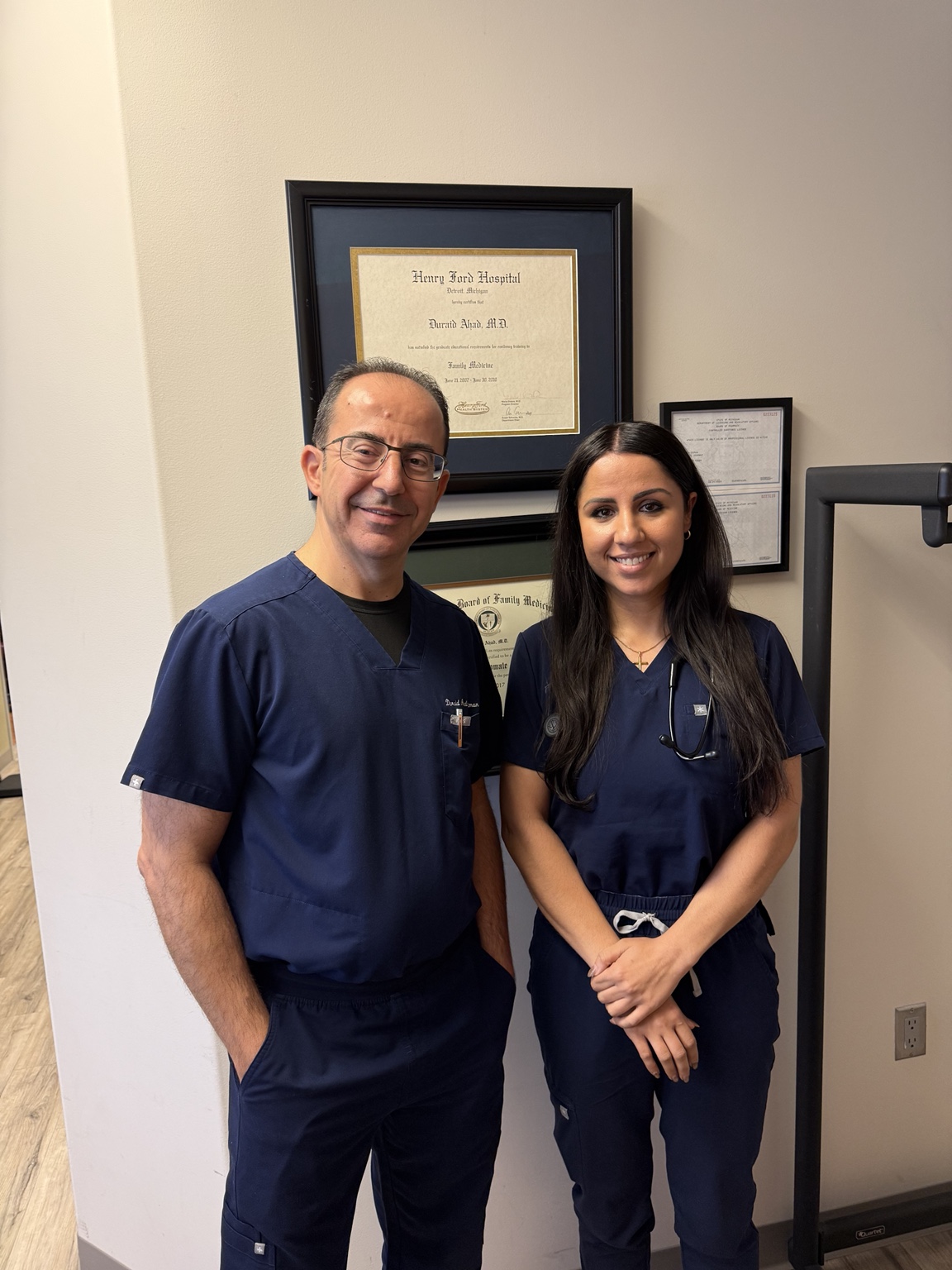
Duraid Ahad-Daman, MD
Family Medicine located in Troy, MI
High blood pressure often has no symptoms. Regular checks and consistent treatment help protect your heart, brain, and kidneys. Dr. Duraid Ahad-Daman provides hypertension evaluation and ongoing care at Ahad MD PC in Troy, Michigan.
Bring your home blood pressure readings and medication list to your visit.
High blood pressure care, built around you
Know your numbers
The top number measures pressure when your heart beats; the bottom number measures pressure between beats. These categories apply to adults who are not pregnant.
| Category | Reading |
|---|---|
| Normal | Top below 120 and bottom below 80 |
| Elevated | Top 120–129 and bottom below 80 |
| Stage 1 hypertension | Top 130–139 or bottom 80–89 |
| Stage 2 hypertension | Top 140 or higher or bottom 90 or higher |
If the numbers fall into different categories, use the higher category. A single reading usually does not establish a diagnosis; your clinician reviews repeated, properly measured readings.
Getting an accurate picture
Blood pressure can differ at home and in the office. Home measurements can help clarify the pattern and track treatment response. Your visit also considers your health history, medicines, and overall cardiovascular risk.
Checking your blood pressure at home
Use a validated automatic upper-arm monitor with a cuff that fits. Bring it to a visit to check your technique and compare readings. Smartwatch estimates should not replace cuff measurements.
- Avoid smoking, caffeine, and exercise for 30 minutes beforehand; empty your bladder.
- Rest quietly for five minutes, with your back supported and feet flat and uncrossed.
- Place the cuff on bare skin and support your arm at heart level. Stay quiet during the reading.
- Take two readings one minute apart and record both. Ask our team about the timing and number of days to monitor.
A treatment plan you can follow
For most adults receiving treatment, the goal is below 130/80 mm Hg. Your target and medicines are individualized for your health and tolerance.
Treatment includes heart-healthy eating, less sodium, regular activity, weight management when appropriate, and reducing or avoiding alcohol. Medication is generally recommended when average readings reach 140/90 or higher, and may be needed at lower levels depending on heart, kidney, and other health risks. For lower-risk patients, persistent readings of 130/80 or higher after three to six months of lifestyle changes may also warrant medication.
Follow-up helps assess your response, side effects, and any needed adjustments. Do not stop or change prescribed blood pressure medicines on your own.
When to seek urgent help
Call 911 immediately for chest pain, severe shortness of breath, new weakness, trouble speaking, or sudden vision changes, regardless of your blood pressure reading.
If the top number is above 180 or the bottom number is above 120 and you have these symptoms, do not wait for another measurement. If you have no symptoms, wait at least one minute and recheck. If it remains this high, contact a health professional immediately for guidance.
Pregnancy and the postpartum period require different thresholds and prompt obstetric advice for elevated readings.
Schedule a blood pressure visit
Bring your readings, monitor, and list of prescriptions, over-the-counter medicines, and supplements. Together, we can review your pattern and next steps.
Trusted information and guidelines
- CDC: About high blood pressure
- CDC: Measuring your blood pressure
- American Heart Association: Understanding your readings
- 2025 AHA/ACC high blood pressure guideline: Key recommendations
Links open in a new tab. Patient information updated September 22, 2026. Treatment is individualized.
Insurance Accepted
Dr. Ahad-Daman accepts most major insurance providers. Please contact your insurance provider directly for any coverage-related questions.


Words from our patients
-

"If your looking for a doctor who cares about his patients, Dr. Ahad is the doctor for you. Office staff is great and are pleasure to deal with."
-
Dr. Ahad takes his time, answering all the questions, with impressive patience and high quality healthcare, addressing all the issues right away, highly recommend him..."

