Cancer Screening
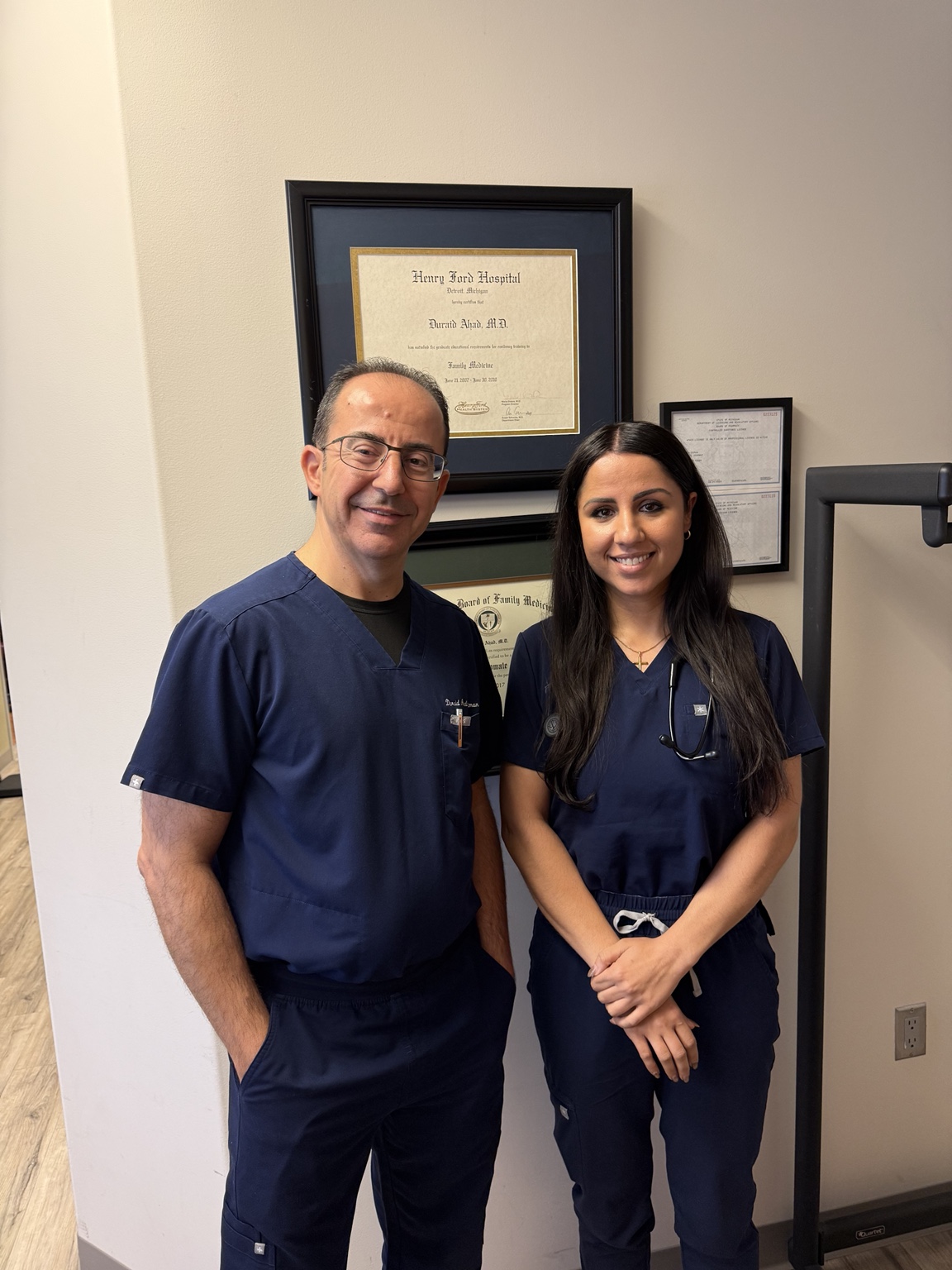
Duraid Ahad-Daman, MD
Family Medicine located in Troy, MI
Cancer screening starts with knowing which tests are right for you. Visit Dr. Duraid Ahad-Daman at Ahad MD PC in Troy, Michigan, to review lung, prostate, breast, and colorectal cancer screening.
A screening plan based on your age, history, and goals
Start with a preventive care visit
Screening looks for cancer before symptoms appear. At Ahad MD PC, discuss which tests you are due for, their benefits and limitations, and the next steps for orders or referrals. Bring previous screening results, your family cancer history, and your smoking history.
Have a new symptom? A breast lump, blood in your stool, coughing up blood, or unexplained weight loss needs medical evaluation. Do not wait for your next routine screening.
USPSTF recommendations at a glance
These recommendations address people without symptoms. Personal risk, previous findings, and overall health may change your plan.
| Cancer | Eligibility | Test and timing |
|---|---|---|
| Lung | Ages 50–80; at least 20 pack-years; currently smoke or quit within 15 years | Low-dose chest CT every year while eligible |
| Prostate | Ages 55–69: individual decision after discussion | PSA blood test if chosen; timing individualized |
| Breast | Women ages 40–74 at usual screening risk | Mammogram every 2 years |
| Colorectal | Average-risk adults ages 45–75 | Several options, including yearly FIT or colonoscopy every 10 years |
Lung cancer screening
A pack-year equals packs smoked per day multiplied by years smoked: one pack daily for 20 years, or half a pack daily for 40 years, equals 20 pack-years.
The recommended test is a low-dose CT scan, not a chest X-ray. Screening can detect cancer earlier, but may lead to false alarms, additional procedures, and radiation exposure. Stop once you have been smoke-free for 15 years, or if health substantially limits life expectancy or the ability or willingness to undergo curative lung surgery.
At your visit, review eligibility, discuss benefits and harms, and ask about a CT referral and help with quitting smoking.
Prostate cancer screening
For men ages 55–69, PSA screening is a shared decision based on preferences, health, and risk. The USPSTF recommends against routine PSA screening at age 70 or older.
A raised PSA does not necessarily mean cancer. Testing can lead to repeat tests or biopsy and can identify cancers that would never cause harm. Treatment may cause urinary or sexual side effects.
Tell us about Black ancestry or a family history of prostate cancer. These may increase risk; the USPSTF does not establish a separate earlier screening schedule for these groups. Discuss your individual circumstances before choosing a test.
Breast cancer screening
The USPSTF recommends mammography every two years from ages 40–74. Both standard digital and 3D mammography are accepted methods. Evidence is insufficient to recommend for or against screening at age 75 or older, so decisions are individualized.
A known high-risk genetic variant, previous breast cancer, or chest radiation at a young age may require a different plan. Discuss family history and breast density. Evidence is insufficient to recommend routine supplemental ultrasound or MRI solely for dense breasts after a normal mammogram.
Ask about a mammogram order and follow-up of previous findings. A new lump or nipple change needs diagnostic evaluation even after a normal screening test.
Colorectal (colon and rectal) cancer screening
Screen average-risk adults ages 45–75. Ages 76–85: decide individually based on health, past screening, and preferences. Screening is not recommended after age 85.
Common options include:
- FIT stool test: Every year.
- Stool DNA-FIT: Every 1–3 years under USPSTF guidance, depending on the selected test and plan.
- Colonoscopy: Every 10 years after a normal, high-quality examination in an average-risk patient.
Other recommended options include CT colonography and flexible sigmoidoscopy. An abnormal stool test requires colonoscopy; repeating the stool test does not complete the evaluation.
Previous polyps, inflammatory bowel disease, inherited syndromes, or a significant family history may require earlier or more frequent testing. Discuss the best test for you, preparation, and any needed gastroenterology referral.
Make screening part of your care
Schedule a visit with Dr. Duraid Ahad-Daman to review what is due and plan appropriate screening. Imaging and procedures are arranged with the appropriate facilities or specialists. Ask about preparation, coverage, and how results will be reviewed. An abnormal screening result needs follow-up but does not automatically mean cancer.
Official USPSTF recommendations
- Lung cancer screening — 2021
- Prostate cancer screening — 2018
- Breast cancer screening — 2024
- Colorectal cancer screening — 2021
Based on the final U.S. Preventive Services Task Force recommendations available September 22, 2026. Other organizations may recommend different schedules. Screening is individualized.
Insurance Accepted
Dr. Ahad-Daman accepts most major insurance providers. Please contact your insurance provider directly for any coverage-related questions.


Words from our patients
-

"If your looking for a doctor who cares about his patients, Dr. Ahad is the doctor for you. Office staff is great and are pleasure to deal with."
-
Dr. Ahad takes his time, answering all the questions, with impressive patience and high quality healthcare, addressing all the issues right away, highly recommend him..."

